
Finding Alexandria Residents by Record
No single government list covers every Alexandria household. So pick the first record by what you already know. A street address opens the assessment search and the parcel map. A legal owner or an earlier transfer belongs with the Circuit Court Clerk. A person from an earlier era surfaces more often in a directory, a newspaper index, or a cemetery volume. Probate files and census schedules help too. Treat every Alexandria residents directory result as a piece of evidence. It is rarely a final answer on its own.
Remember that the City is an independent Virginia locality. An Alexandria mailing address can actually sit in Fairfax or Arlington. Confirm the jurisdiction before choosing a custodian. Property cards establish parcel information, and recorded documents establish a legal transfer. Neither builds a complete roster of people at an address. The Virginia voter tool serves a person checking personal status and a polling place. It is not a name-and-address directory.
- Start with the full street address in the City assessment search when a parcel is known.
- Compare the parcel's situs, mailing address, map-block-lot, and legal description before drawing a conclusion.
- Use the Clerk's grantor-grantee index for a recorded ownership trail.
- For an older person or address, consult Alexandria Library's directory, Gazette, cemetery, and map collections.
- Ask the actual custodian for an unavailable city record through the documented counter, archive, or request channel.
Alexandria Residents Records Offices
The Alexandria residents directory lives across city and court offices rather than one county department. Real Estate Assessments keeps the current parcel card. The Clerk of Circuit Court holds deeds, probate material, and other court-kept records. Voter Registration & Elections routes an individual to the state status portal. The Library and City Archives carry the historical trail. Each office keeps a different kind of fact. Its access route is its own.
Alexandria Clerk Land Records
520 King Street, Room 307
Alexandria, VA 22314
703-746-4044
Real Estate Assessments
100 N Pitt Street, Suite 225
Alexandria, VA 22314
703-746-4646
Voter Registration & Elections
132 North Royal Street, Suite 100
Alexandria, VA 22314
703-746-4050
For a street-wide parcel method, turn to the focused Alexandria street directory reference. The records offices themselves publish no single combined street roster.
Alexandria Assessment Search Fields
The public assessment form offers three paths: address, account number, and map number. In address mode, Street Name is the required field. Street Number and unit stay optional. Leave them blank, and you can browse the whole selected street. That helps when the exact parcel is unknown. Results lead to current assessment and sales links. The Parcel Viewer also places the card on the city map.
| Assessment control | How Alexandria uses it |
|---|---|
| Street Number | Optional; omit it with the unit to browse a selected street. |
| Street Name | Required normalized street choice, with directional variants where applicable. |
| Apartment or condo unit | Optional, used to narrow a multiunit parcel. |
| Account Number | Separate alternative search mode. |
| Map Number | Separate mode for a map-block-lot reference. |
The assessment landing page displays the three search modes before anything is typed. A parcel card may name an owner. Even so, the owner, the correspondence address, and the physical situs should stay separate facts in any Alexandria residents directory search.
The City assessment search appears here in its empty, pre-address state.
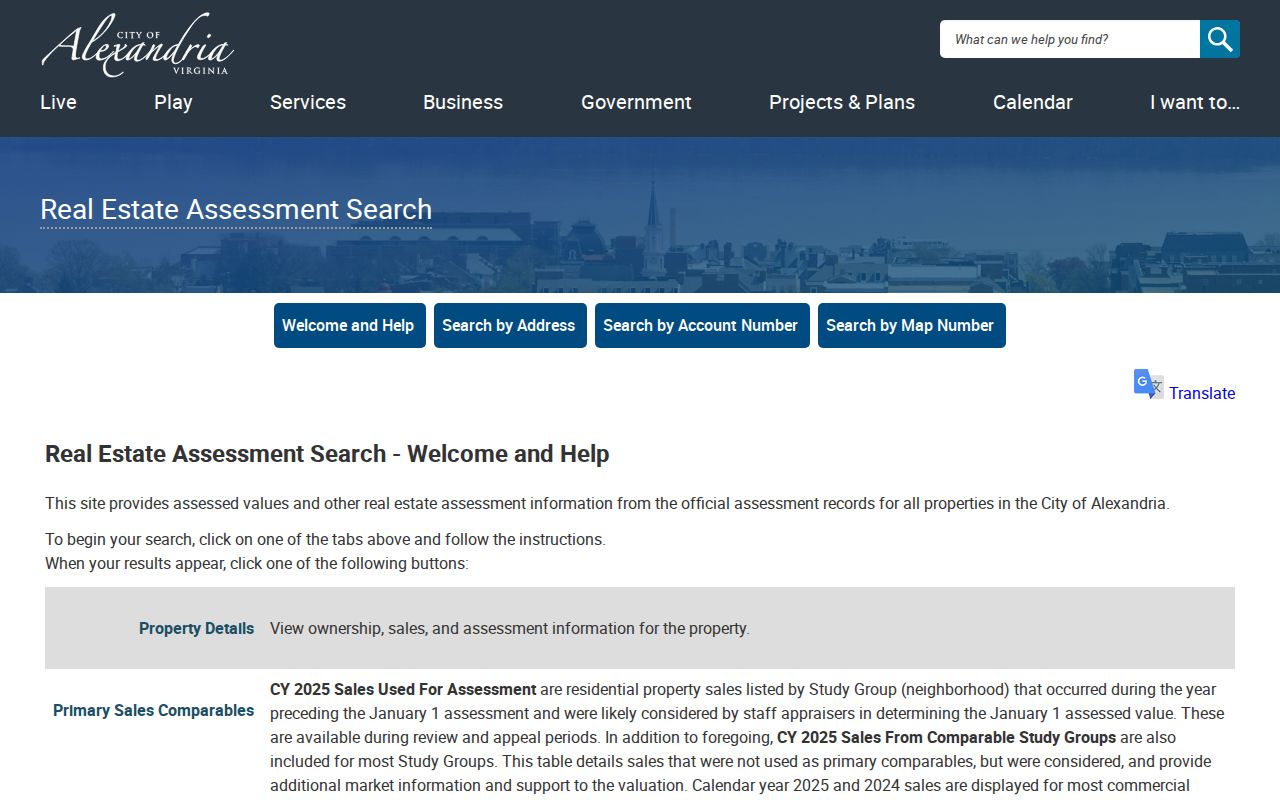
Those three modes carry a practical lesson. Every Alexandria parcel holds both a street identity and a stable account or map reference.
Alexandria Parcel Records Need Context
A parcel is the land unit behind the assessment and recorded-document systems. Its card can list the account, map-block-lot, owner name, owner mailing address, situs, legal description, tax status, values, sales data, zoning, and building details. City Hall illustrates the trap nicely. The sample card at 301 King Street shows a City owner and a PO Box correspondence address. Neither says anything about a private resident. That distinction heads off a common residents directory error.
- Roll
- A list created for a particular administrative purpose, such as the assessment roll, not a complete population list.
- Index
- A finding aid that points to a document or record entry, sometimes without displaying the underlying image.
- Parcel
- A defined piece of land tied to a map or account identifier.
- Criss-cross directory
- An address-arranged directory section that can connect a historic address to an occupant or business.
The Alexandria Parcel Viewer links a selected parcel to assessment details, zoning, and historic subdivision plats or survey plans. The City labels map boundaries informational. A viewer image is never survey or title proof.
Alexandria Deed Index Has Gaps
Recorded deeds are often the strongest identity check. The question is who held a legal interest in a parcel. Alexandria's Clerk points researchers to COVERS and Virginia Secure Remote Access, usually called SRA. The online deed and land-record ranges run 1785 through 1801, 1821 through 1824, and 1930 to the present. Coverage is not continuous. Printed indexes, books, and microfilm available through the Clerk cover December 1782 through October 1993. These bridge much of the online gap.
Work backward from the current grantee or legal description. Find the latest recorded instrument. Then follow the seller or prior reference into earlier transfers. The Clerk's counter and public records room help here. Mailed copies and SRA access also form part of the Alexandria residents directory trail. Copies are listed at $0.50 per page, with certification at $2. Images can require subscriber authorization even where an index path is open.
Current Alexandria Resident Directories
Current Alexandria directory sources answer narrow questions. Assessment cards identify property ownership and official mailing information. Recorded documents name the parties to an instrument. City staff contacts identify public-facing employees in an official role. Election systems carry strict access rules. A directory category helps only when its coverage matches the question asked.
| Alexandria source | What it can establish | Custodian | Access route |
|---|---|---|---|
| Assessment search | Parcel owner, mailing address, situs, account and legal description | Real Estate Assessments | Free address, account, or map search |
| Land-record index | Parties, instrument date and property transfer trail | Circuit Court Clerk | COVERS/SRA, counter, books, microfilm |
| Voter status portal | A user's own registration status and polling place | Virginia Elections | Individual self-service only |
| City staff contacts | Official-capacity personnel contacts | City departments | Department and phone-directory materials |
| Community map | Association geography and names, not member lists | City interactive maps | Reference map and association contacts |
When a result tracks one person rather than one parcel, cross-check it against an independent source using the Alexandria resident lookup method.
Alexandria Voter Checks Have Limits
Virginia's election portal lets a registrant check personal registration status and polling place. Alexandria points voters there. The local elections office also answers questions at 703-746-4050. None of this is a public name-and-address lookup, so an Alexandria residents directory cannot promise a third-party name result from the form. The portal shows a registrant only their own details.
Virginia law draws a hard line around voter files. VERIS records sit outside FOIA under Va. Code §24.2-404(B). Statutes §§24.2-405 through 24.2-407 limit registered-voter and voting lists to listed recipients and purposes. A protected person may use an alternative address in voter records too. A blank result proves nothing about whether someone lived in Alexandria.
Note: Alexandria's elections office handles the official status and polling-place route, while voter-file access follows separate statutory rules.
Alexandria Courts Split the Search
Court records can add to an identity trail. A case number, filing date, party-name variant, or disposition may all help. Alexandria splits that trail across four systems. Circuit Court keeps its own records. So do General District Court, Juvenile and Domestic Relations District Court, and the federal Alexandria Division. The Virginia case-information hub helps route a search to the right division. Statewide OCIS covers adult criminal matters in juvenile and domestic relations courts. It also covers general-district criminal and traffic data, plus selected circuit information. Virginia offers no statewide circuit-court name search, though.
Search by locality, party name, case number, or hearing date. Do so where a court system allows it. Juvenile, domestic-relations, sealed, expunged, adoption, and other confidential material carries separate limits. The Clerk's local counter remains an access channel for Alexandria court-held records. PACER serves federal cases. A same-name case entry is only a lead, never proof of identity.
Alexandria Vital Records Use Timelines
Virginia vital records open on staggered timelines. Births become public after 100 years. Deaths, marriages, and divorces open after 25. The Virginia Department of Health holds births and deaths from 1853 through 1896 and from June 1912 onward, marriages from 1853 onward, and divorces from 1918 onward. Recent certified records stay restricted to eligible immediate family or next of kin with identification, under Va. Code §32.1-271 and related rules.
Alexandria Health Department offers local in-person and mail access, and VDH is the state custodian. A certificate or search costs $15. For family research, try an index, Gazette notice, cemetery record, or library compilation before assuming a current certificate exists. A public historical index and a certified record are different products with different access rules.
Historical Alexandria Residents Directories
Alexandria's directory shelf starts in 1791. From 1924 onward, volumes add a criss-cross address section. The Library reports a nearly continuous run from 1950 through 1980. City Archives lists directories from 1950 through 1979 with gaps. A printed entry can pin a name, address, occupation, household marker, or business to a specific edition. But it does not establish title ownership on its own.
The Library's Local History/Special Collections also holds Gazette and newspaper material. The collection includes local histories, church and cemetery resources, deed and will microfilm, maps, and school materials. Full details on the collection sit on the Alexandria city directory page. A volume, map, or microfilm reel may not be online. The Library's staff and virtual or curbside service offer a useful fallback then.
Alexandria Gazette Indexes Add Endpoints
A name trail often jumps from a directory into an obituary, cemetery, or probate source. The Alexandria Library points to a Gazette obituary-name compilation covering 1784 through 1915. Virginia Chronicle carries an online Gazette run from 1834 through 1923. The Library also names WPA birth and death indexes. It also names five tombstone-inscription volumes covering most city cemeteries. These sources can clarify a death, a family link, or a period of residence. They do so without turning a historical mention into a current-location claim.
Cemeteries add a distinctly local layer. Historic Cemeteries of Alexandria identifies fifteen historic sites in Old Town. The Library's tombstone volumes supply maps and cemetery histories. Alexandria National Cemetery and the federal gravesite locator cover veterans separately. Record the publication, date, page, and exact spelling. That way a later probate or directory search can be checked against the original entry.
Alexandria FOIA Routes City Files
Virginia's Freedom of Information Act, Va. Code §§2.2-3700 et seq., opens the door to City administrative records. No other route provides them. Ask for something specific. Most requests get records or a written answer within five working days. The City may take seven additional working days when a practical response truly needs the time. That extension follows timely notice. Charges can cover actual access, search, supply, or duplication costs. When anticipated charges top $200, a deposit may apply.
City Archives requests follow a special path right now. The Archives & Records Center at 801 South Payne Street is appointment-only. City-document requests route through the City Attorney's FOIA office. In 2026, Public Records Advisory Commission minutes reported reprocessing work. They also noted discussion of a possible public research kiosk, but that access change stayed under City Attorney review. Court-kept records play by a different rule. Virginia FOIA does not govern records maintained by clerks of courts of record. Deeds, probate, and court files belong with the Clerk's records channels. A City FOIA request is the wrong tool for those. Alexandria's FOIA page shows the online, email, phone, and in-person request options.
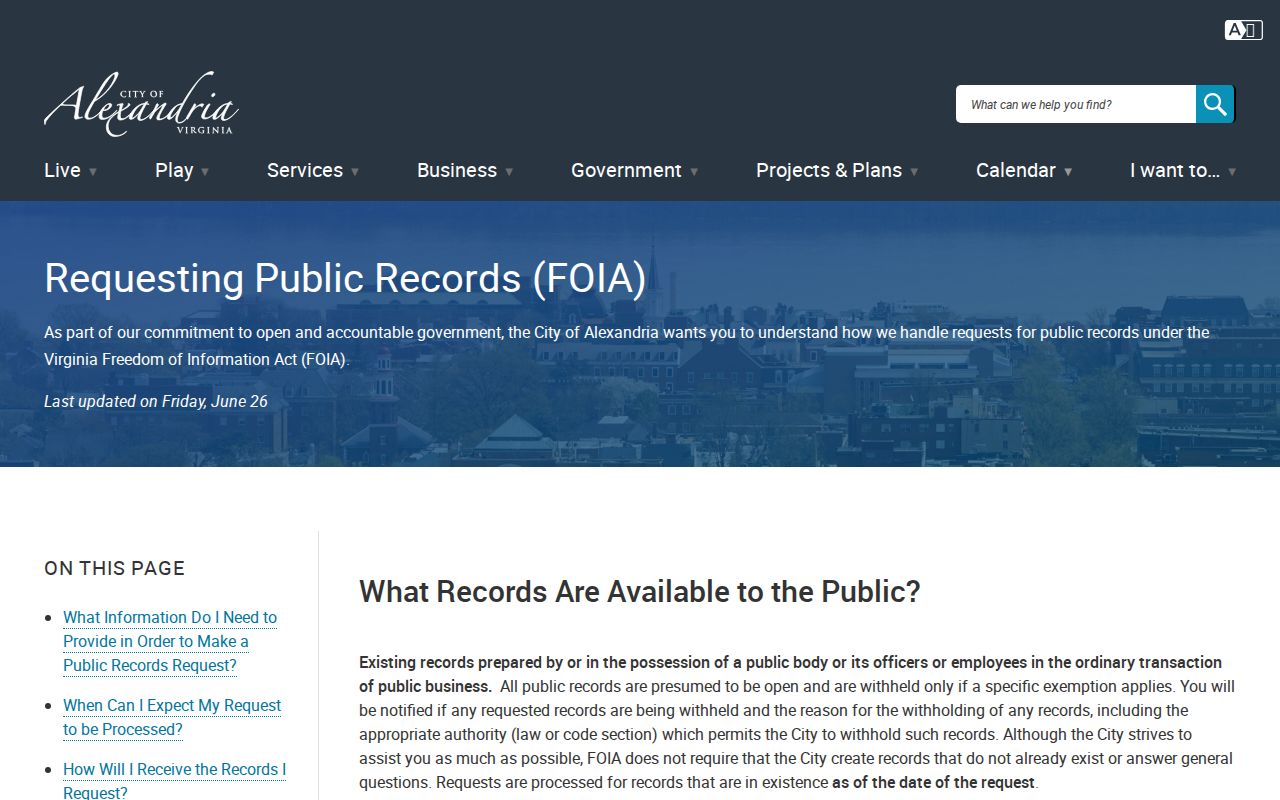
FOIA reaches existing City records only. It is not a shortcut around election, vital-record, court, or protected-record rules.
Alexandria Deed Alerts Protect Names
Alexandria's Clerk now advertises VADeed Alert. It is free for city property owners. The service sends an email notice whenever a deed, mortgage, deed of gift, or similar recorded document matches a chosen name or a tax map or parcel identifier. Owners can register multiple name versions and several parcel references. Treat it as a property-fraud alert. It is not an ownership determination. Even so, it shows how practically the local index ties recorded names to parcel identifiers.
Confirm any unexpected instrument with the Clerk, the recorded document, and the property account. An unsolicited offer of a deed copy or monitoring service deserves the same care. Official copies cost $0.50 per page. Certification runs $2. The alert itself stays free for eligible city property owners. Alexandria announced this local change in 2026.
Alexandria Name Searches Need Caution
Official records and commercial lookup products serve different purposes. The official record names its custodian. It also states its scope, date, and access rule. A commercial compilation may merge stale information, same-name people, marketing data, and public-record extracts. Check any result against the original city, court, or state source before family reconnection work, estate research, a seller check, or simple civic curiosity.
| Source type | Strength | Care needed |
|---|---|---|
| Official Alexandria or Virginia record | Clear custodian and record-specific access path | Scope can be narrow, historical, or restricted |
| Library or archive collection | Context, older names, maps, and directory editions | Verify edition, date, and original entry |
| Commercial compilation | May suggest a research lead | Identity matching, freshness, and removal practices vary |
Alexandria State Name Sources Stay Narrow
Custody and public-safety systems are not a general Alexandria residents directory. The Alexandria Sheriff's Office keeps detention records. Questions go to its records and inmate-information route. The Virginia Department of Corrections locator accepts the first three letters of a first name with a full last name, or a DOC ID. A daily-update notice rides along. The State Police registry has separate public functions. It also carries legal-use limits. None of these records should be used to infer a full address history. Virginia's DOC locator displays the name and DOC-ID entry paths described in the state resource.
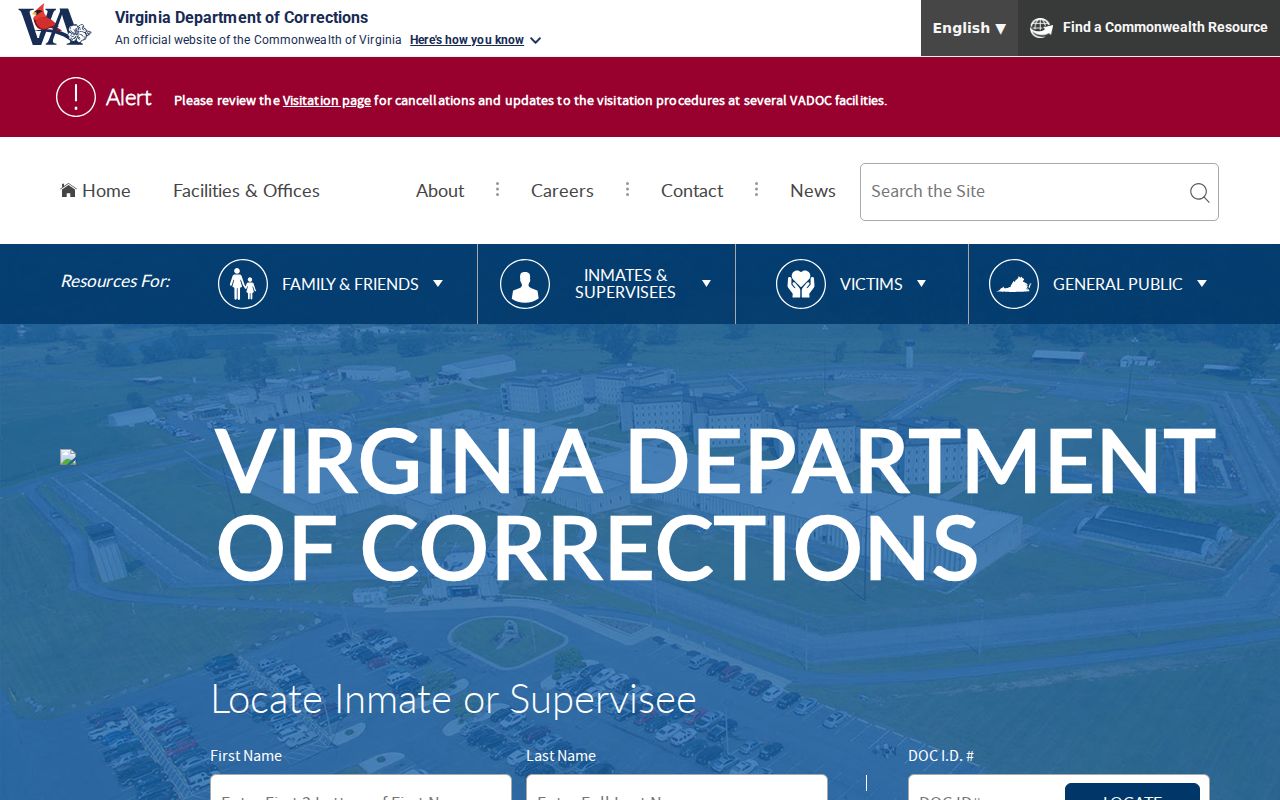
The locator's narrow search function and disclaimer explain the point. A custody record works as a routing tool. It is not a household roll.
Virginia Treasury's unclaimed-property search can tie a name to money, stocks, dividends, deposits, or insurance proceeds reported to the state. Searching is free through vaMoneySearch. It is not a current-address confirmation. Claimants must prove ownership. Where an online claim route is not enough, Treasury offers an inquiry form and a phone fallback. Treat the search as a discrete name lead. Verify any identity with the right record custodian. Virginia Treasury's unclaimed-property page links the official name search and claim guidance.
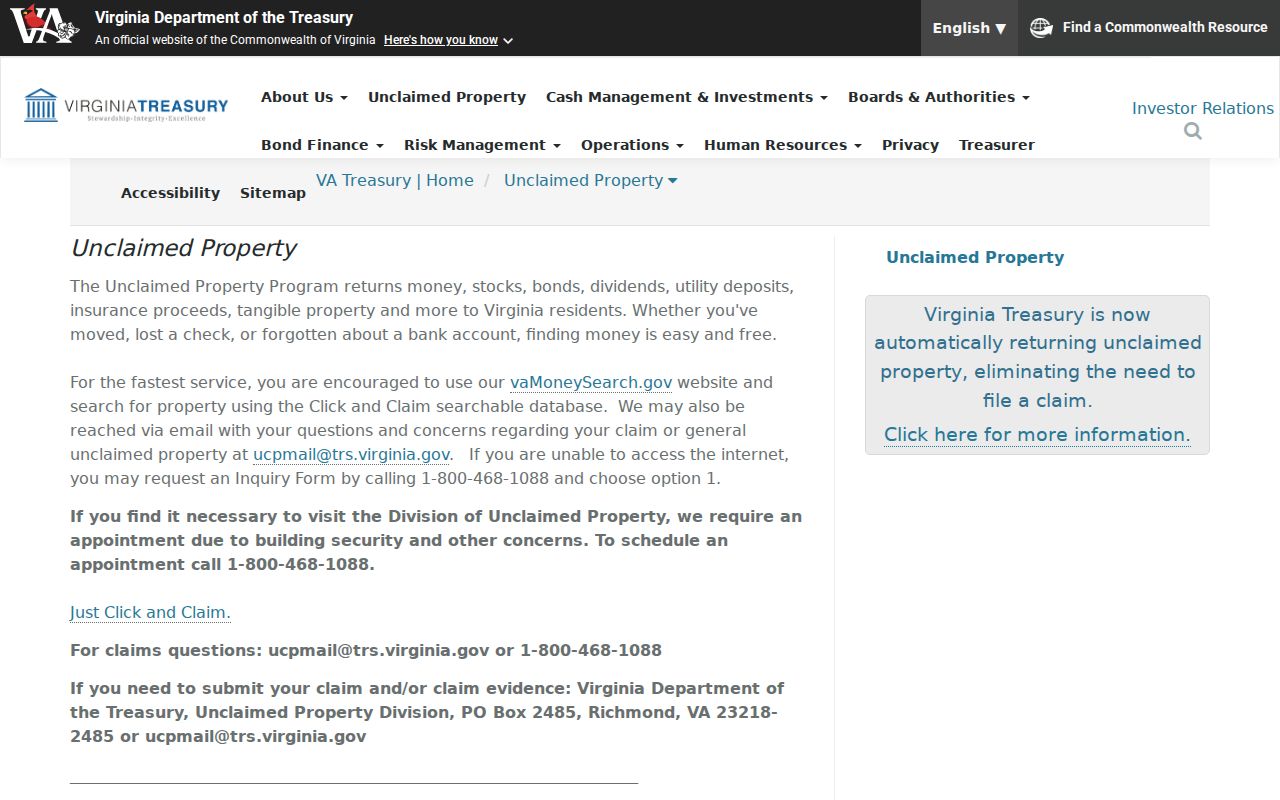
The state workflow demands evidence for a claim. A matching name is a reason to investigate carefully, not proof the asset belongs to a particular Alexandria person.
Alexandria ZIP Lines Change Custody
Postal identity runs wider than Alexandria's city limits. The City's ZIP guidance says 22302, 22304, 22311, and 22312 cross into Fairfax County. ZIP 22206 crosses into Arlington County. Several Alexandria-mailing ZIP areas also lie outside the City. A selected address should be checked through USPS mailing information and the local parcel record before any Alexandria office is treated as the custodian.
The 1887 renumbering adds a second trap for older research. Later street-name changes complicate it too. A historic directory or map may use a prior number or street name even when the modern parcel sits inside the City. Once the address itself is confirmed, use the Alexandria ZIP code directory for ZIP geography and municipal-boundary detail.